The Discovery That Changed Everything
In 1909, Albert Kitson, a British colonial geologist, made a discovery that would forever alter the destiny of a small Igbo farming community nestled among the hills of what is now Enugu State. While surveying the area, Kitson uncovered vast deposits of high-quality coal in the Udi Hills. This single discovery would transform a quiet agrarian settlement into one of the most important cities in colonial Nigeria.
The coal deposits were found in the valleys of what the locals called Enugu-Ukwu — meaning "top of the hill" in the Igbo language. The name would eventually be shortened to simply "Enugu," and it would become synonymous with coal mining in West Africa.
Colonial Development and the Birth of a City
Following Kitson's discovery, the British colonial government moved swiftly to exploit the resource. In 1913, coal mining operations began in earnest at the Iva Valley mine, which would become the most productive coal mine in the region. The colonial administration recognized the strategic importance of the area and began constructing infrastructure to support the mining operations.
A railway line was built connecting Enugu to Port Harcourt, a distance of approximately 150 kilometers, allowing coal to be transported to the coast for export. This railway, completed in 1916, became the economic lifeline of the city and spurred rapid population growth as workers migrated from surrounding villages and distant regions of Nigeria.
By 1917, Enugu had grown so significantly that the colonial government designated it as the headquarters of the Eastern Provinces of Nigeria. This administrative status elevated Enugu from a mining camp to a proper city with government offices, courts, and public services.
The Golden Age of Coal Mining
Throughout the 1920s and 1930s, Enugu experienced what historians call its "golden age" of coal mining. At its peak, the mines employed thousands of workers, and Enugu became one of the wealthiest cities in colonial Nigeria. The coal produced here was of exceptional quality — it burned hot and clean, making it ideal for powering steam locomotives, ships, and industrial machinery across West Africa.
The city's population grew from fewer than 1,000 people in 1915 to over 60,000 by 1950. This growth brought about the development of neighborhoods, markets, schools, and hospitals. The Coal Camp, Ogui, and Uwani districts emerged as distinct residential areas, each with its own character and community.
The wealth generated from coal mining also attracted traders, artisans, and professionals from across Nigeria. Enugu became a cosmopolitan hub where different ethnic groups and cultures mingled, creating the diverse and vibrant city that exists today.
Challenges and the Decline of Coal
Despite its prosperity, the coal industry faced numerous challenges. The infamous 1945 general strike, led by the labor unionist Michael Imoudu and involving coal miners demanding better working conditions, highlighted the exploitation and difficult conditions faced by the miners. This strike was a landmark event in Nigeria's labor history and contributed to the growing movement for independence.
After Nigeria's independence in 1960, the coal industry gradually declined. The Nigerian Civil War (1967-1970) devastated much of the infrastructure in the Eastern Region, including Enugu's coal mines. After the war, production never fully recovered to pre-war levels. The discovery of oil in the Niger Delta further shifted Nigeria's economic focus away from coal.
Today, most of the original coal mines have been abandoned, though some small-scale operations continue. The Iva Valley mine, once the pride of Nigerian coal production, now stands as a historical landmark — a reminder of the industry that built the city.
Enugu's Legacy and Modern Transformation
While coal may no longer be the backbone of Enugu's economy, its legacy lives on in the city's nickname, its architecture, and the collective memory of its people. The old railway station, the Government House, and many colonial-era buildings in the city center still stand as testaments to Enugu's coal-era past.
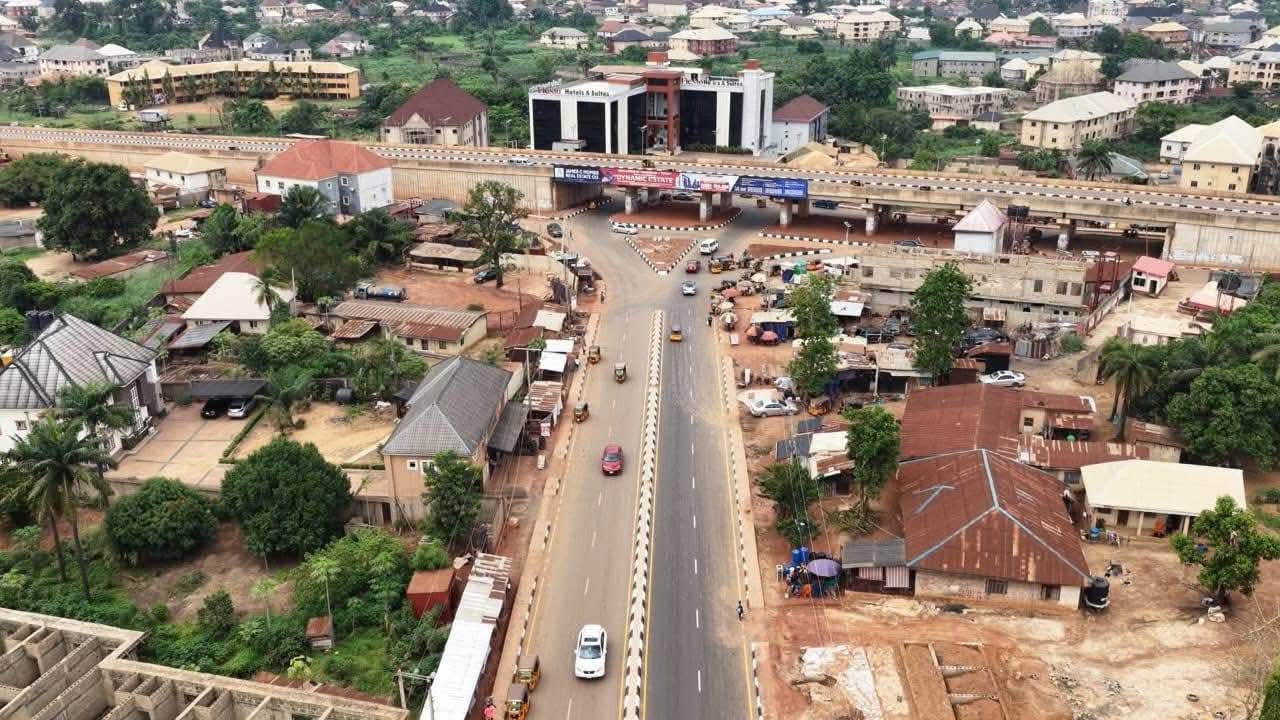
Modern Enugu has transformed into a commercial, educational, and cultural center. It remains the capital of Enugu State and continues to be one of the most important cities in southeastern Nigeria. The University of Nigeria, Nsukka (located just outside Enugu), the Enugu State University of Science and Technology, and numerous other institutions have made the city a hub of learning and innovation.
The story of Enugu is a story of resilience, transformation, and the enduring spirit of its people. From a small hilltop village to a bustling colonial city, and from a coal mining capital to a modern commercial center, Enugu continues to evolve while honoring the rich history that made it famous.