A Culinary Paradise in the Coal City
Enugu State is a food lover's paradise, offering an array of traditional Igbo dishes that are celebrated across Nigeria for their rich flavors, unique preparation methods, and cultural significance. The cuisine of Enugu reflects the agricultural abundance of the region — yam, cassava, vegetables, and palm oil form the foundation of most dishes, while spices, herbs, and traditional cooking techniques add depth and character.
Whether you're dining at a local buka (traditional restaurant), attending a community celebration, or exploring the city's growing restaurant scene, these are the dishes you absolutely must try when visiting Enugu.
Abacha (African Salad)
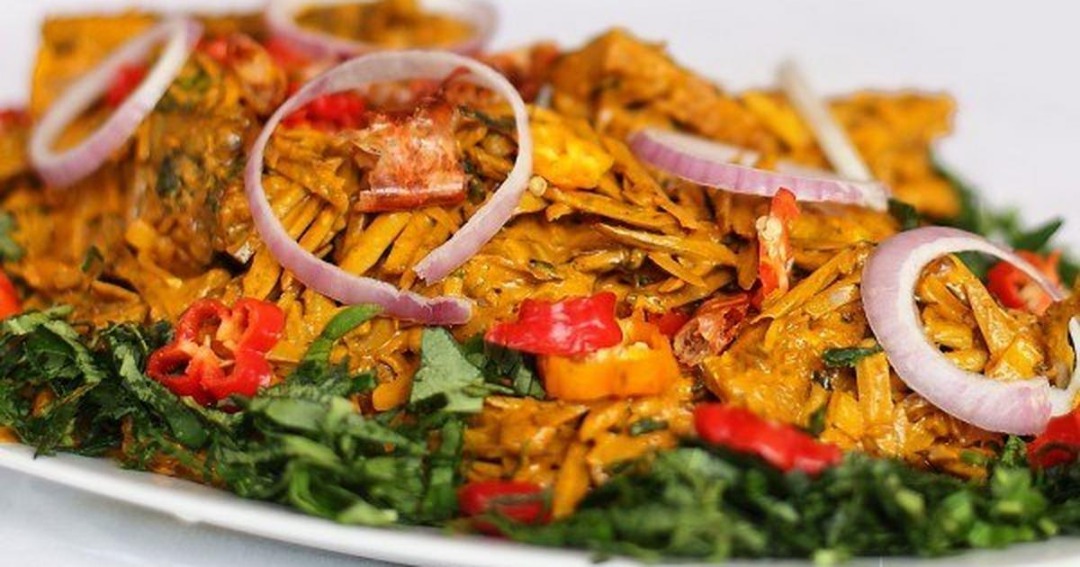
Abacha is perhaps the most iconic dish associated with Enugu and the broader Igbo region. Made from shredded cassava that has been boiled and sun-dried, Abacha is mixed with a flavorful blend of ingredients including ugba (fermented oil bean seeds), palm oil, ground crayfish, potash (Akanwu), sliced onions, garden eggs, and roasted fish or cow skin (Ponmo).
The dish is typically served at room temperature and has a distinctive tangy, savory taste that is both refreshing and filling. Abacha is especially popular as a snack or light meal, and you'll find it sold by street vendors across Enugu, often served in portions wrapped in banana or plantain leaves for an authentic experience.
The best Abacha in Enugu can be found at the Ogbete Main Market area, where experienced vendors have perfected their recipes over decades. Many locals swear that Abacha tastes best when eaten with the hands, as the tactile experience is part of the enjoyment.
Nsala Soup (White Soup)
Nsala soup, also known as White Soup, is a delicacy that showcases the Igbo mastery of subtle, sophisticated flavors. Unlike the more common red soups that rely heavily on palm oil, Nsala is made without palm oil, giving it a light, creamy appearance that belies its intense flavor.
The soup is prepared by boiling fresh catfish or goat meat with onions, peppers, and a blend of traditional spices including Ehuru (calabash nutmeg) and Uda (negro pepper). The broth is thickened with pounded yam or cassava flakes, creating a silky texture that is both comforting and deeply satisfying.
Nsala soup is traditionally served with pounded yam (Akpu or Fufu) and is considered a special occasion dish. It is often prepared for important guests, during festivals, and at traditional weddings. In Enugu, some of the best Nsala soup can be found at local restaurants in the GRA and Independence Layout areas.
Ugba (Oil Bean Salad)
Ugba is made from the seeds of the African oil bean tree (Pentaclethra macrophylla), which are boiled, sliced, and fermented for several days to develop their distinctive flavor and texture. The fermented slices are then mixed with palm oil, ground crayfish, potash, onions, and peppers to create a savory salad that is both nutritious and delicious.
Ugba holds a special place in Igbo culture and is often served during ceremonies and celebrations. The fermentation process gives Ugba a unique umami flavor that is highly prized, and the dish is rich in protein, vitamins, and beneficial probiotics.
While Ugba can be eaten on its own, it is commonly served alongside Abacha as a complementary dish, creating what locals call "Abacha na Ugba" — a combination that is considered one of the greatest culinary pairings in Igbo cuisine.
Isi Ewu (Spicy Goat Head)
Isi Ewu is a legendary dish in Enugu that has gained fame across Nigeria. As the name suggests, it is made from a goat's head that is meticulously cleaned, boiled, and then chopped into pieces. The meat is then tossed in a fiery pepper sauce made from ground scotch bonnet peppers (Atarodo), onions, crayfish, palm oil, and a blend of traditional spices.
The dish is known for its intense heat and rich flavor. The gelatinous texture of the goat head, combined with the spicy sauce, creates a sensory experience that is both challenging and addictive. Isi Ewu is typically enjoyed with cold beer or palm wine, and it is especially popular as an evening delicacy at local bars and "joints" throughout Enugu.
Some of the most famous Isi Ewu spots in Enugu can be found around the Emene and Agbani areas, where dedicated vendors have built loyal followings over the years. For the adventurous eater, Isi Ewu is an unmissable Enugu experience.
Palm Wine Culture
No discussion of Enugu's food culture would be complete without mentioning palm wine (Mmanya Ngwo). Palm wine is the traditional alcoholic beverage of the Igbo people, tapped fresh from palm trees by skilled tappers who climb the tall trunks to collect the sap.
Fresh palm wine is sweet and mildly alcoholic, with a milky white appearance and a refreshing taste that is unlike any other beverage. As it ferments over hours and days, it becomes more alcoholic and develops a sharper, more sour flavor. Palm wine is central to Igbo social and cultural life — it is used in traditional marriage ceremonies, title-taking rituals, libation offerings to ancestors, and community gatherings.
In Enugu, you can find palm wine sold at dedicated "palm wine bars" where locals gather to drink, socialize, and enjoy it alongside roasted yam, fish, or Isi Ewu. The experience of sitting in a local palm wine bar, enjoying a freshly tapped calabash of wine with friends, is one of the most authentic cultural experiences you can have in Enugu.
Other Must-Try Dishes
Beyond these signature dishes, Enugu offers a wealth of other culinary delights: Ofe Owerri (a rich, assorted meat soup), Ji Akpu (pounded yam served with any soup), Ogbono soup (a draw soup made from wild mango seeds), Egusi soup (made from ground melon seeds), and Onugbu soup (bitter leaf soup). Each of these dishes has its own unique preparation method, regional variations, and cultural significance.
The food culture of Enugu is a reflection of the warmth, creativity, and hospitality of its people. Every meal is an opportunity to connect with the community, share stories, and experience the rich culinary heritage that has been passed down through generations.