Early Life and Education
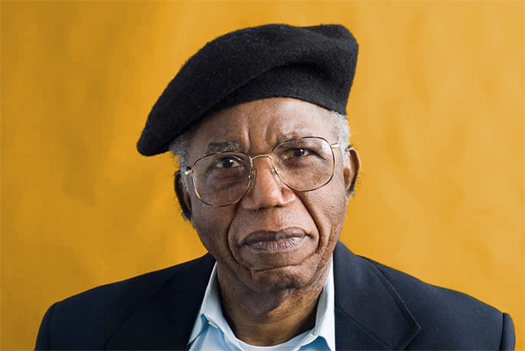
Chinua Achebe was born Albert Chinualumogu Achebe on November 16, 1930, in the Igbo town of Ogidi, in present-day Anambra State. While his birthplace is not within the current boundaries of Enugu State, Achebe's life and work are deeply connected to the broader Enugu region. He spent much of his childhood in Ogidi, where he was immersed in the rich oral traditions, folklore, and cultural practices of the Igbo people.
Achebe attended Government College in Umuahia, a prestigious secondary school that produced many of Nigeria's future leaders. He excelled academically and went on to study at University College, Ibadan, where he initially pursued medicine before switching to English, history, and theology. It was at Ibadan that Achebe began writing, inspired by the works of Nigerian authors and the desire to tell African stories from an African perspective.
His education exposed him to both Western literary traditions and African oral storytelling, creating a unique synthesis that would define his literary style. The tension between these two worlds became a central theme in his writing.
Things Fall Apart and African Literature
Published in 1958, Things Fall Apart is widely regarded as the most important African novel ever written. The book tells the story of Okonkwo, a respected Igbo warrior and leader whose world is shattered by the arrival of British colonial forces and Christian missionaries. Set in the late 19th century, the novel offers a powerful and nuanced portrait of pre-colonial Igbo society and the devastating impact of colonialism.
The novel's title, drawn from W.B. Yeats' poem "The Second Coming," perfectly captures the disintegration of traditional Igbo society under colonial pressure. Things Fall Apart broke new ground by presenting African characters with complexity, dignity, and humanity, challenging the stereotypical portrayals common in Western literature of the time.
The book has been translated into more than 50 languages and has sold over 20 million copies worldwide. It is taught in schools and universities across Africa, Europe, and the Americas, making it one of the most widely read African novels in history.
Career and Major Works
Following the success of Things Fall Apart, Achebe published No Longer at Ease (1960), which follows Okonkwo's grandson in colonial Lagos, and Arrow of God (1964), set in the 1920s and exploring the conflict between traditional Igbo religion and Christianity. A Man of the People (1966), a satirical novel about political corruption in post-independence Africa, proved eerily prophetic when a military coup occurred shortly after its publication.
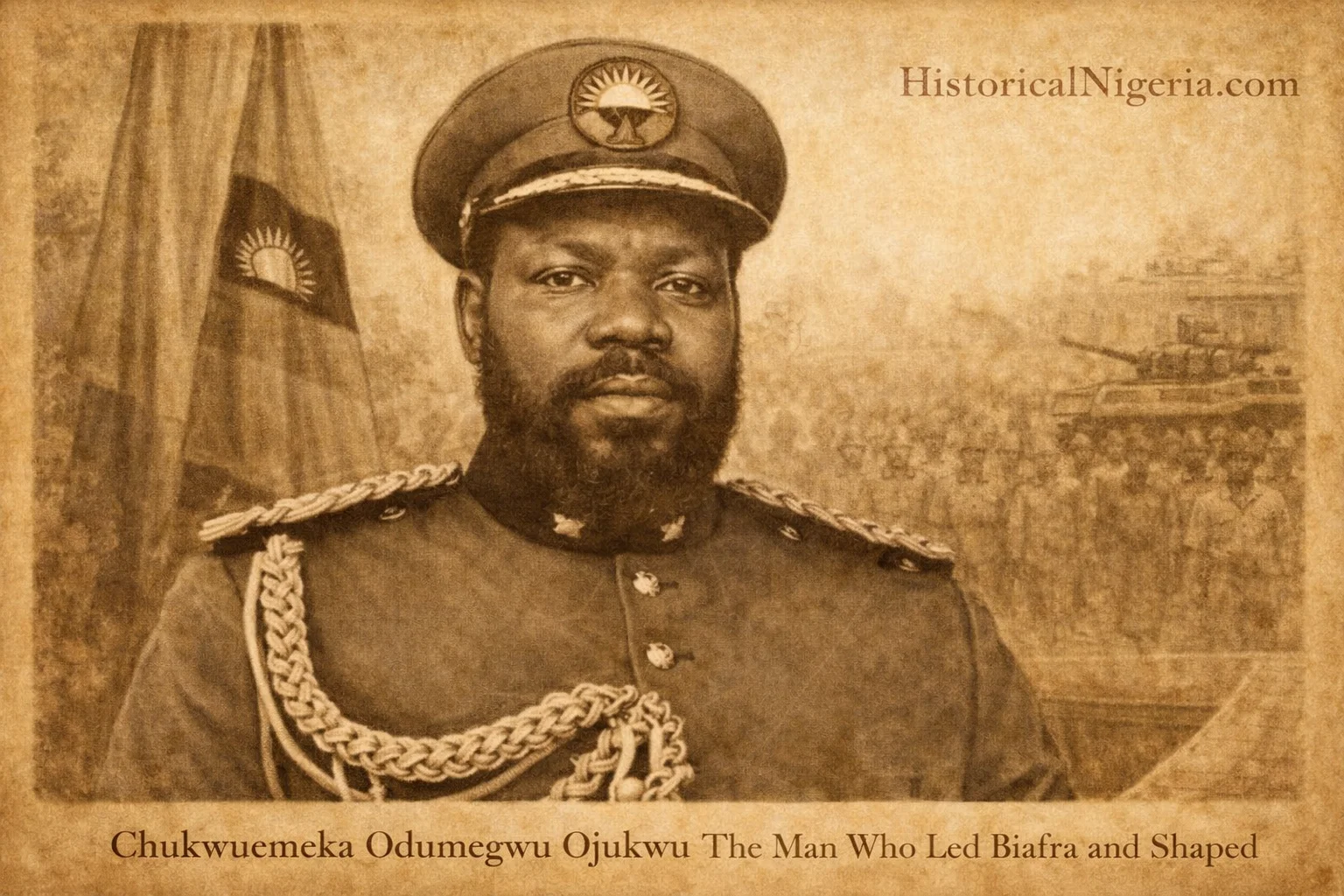
During the Nigerian Civil War (1967-1970), Achebe served as a diplomat for the secessionist state of Biafra, working to garner international support. Enugu served as the capital of Biafra during this period, and Achebe spent considerable time in the city, witnessing firsthand the devastation of war. His war memoir, There Was a Country (2012), reflects on this traumatic period and its impact on Nigeria and the Igbo people.
After the war, Achebe returned to academia, teaching at universities in Nigeria and the United States, including the University of Nigeria, Nsukka (near Enugu), where he helped establish the English department. He later became a professor at Bard College in New York.
Literary Legacy and Connection to Enugu
Chinua Achebe's influence on African literature is immeasurable. He is often called the Father of African Literature, having inspired generations of writers across the continent. His works have shaped how the world understands Igbo culture and African history.
His connection to Enugu State is profound. As a professor at the University of Nigeria, Nsukka, he mentored countless students and helped establish the region as a center of literary excellence. The university's English department became a hub for Nigerian literature, producing many notable writers. Achebe's home in Ogidi was within easy reach of Enugu, and he maintained close ties with the city's intellectual community throughout his life.
Achebe passed away on March 21, 2013, in Boston, but his legacy lives on in Enugu State and beyond. The Chinua Achebe Literary Festival, held annually in various locations including Enugu, celebrates his contributions to literature and culture. His commitment to telling African stories from an African perspective continues to inspire writers and readers around the world. Through his works, the Igbo people of Enugu State found their stories told with dignity, depth, and universal resonance.