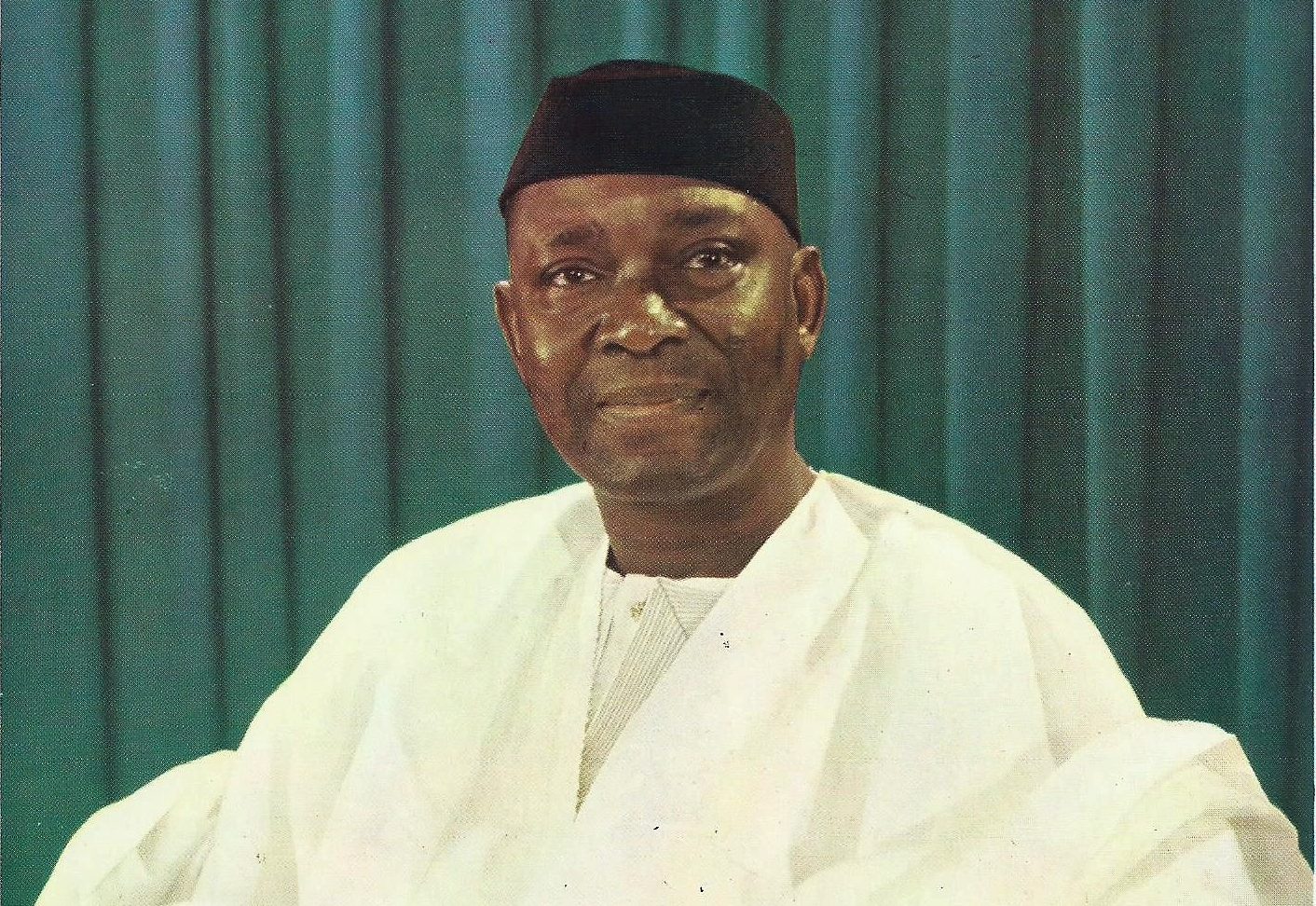
Early Life and Education
Nnamdi Benjamin Azikiwe was born on November 16, 1904, in Zungeru, present-day Niger State, to Igbo parents from Onitsha. However, his ancestral roots trace deeply into Enugu State, where the Azikiwe family maintained strong cultural and political ties. His father, Obed-Edom Chukwuemeka Azikiwe, was a clerk in the British colonial administration who ensured his son received a quality education.
Young Azikiwe attended mission schools in Onitsha and later traveled to the United States in 1925, where he enrolled at Storer College in West Virginia. He went on to study at Howard University in Washington, D.C., and later at Lincoln University in Pennsylvania, where he earned multiple degrees in political science, religion, and anthropology. His time in America exposed him to the Pan-Africanist ideas of Marcus Garvey and W.E.B. Du Bois, which would profoundly shape his political philosophy.
After completing his studies in the United States, Azikiwe traveled to England, where he attended Lincoln's Inn in London to study law. This international education gave him a unique perspective on colonialism and the struggle for African self-determination.
The Nationalist Movement
Returning to Nigeria in 1934, Azikiwe began his journalism career in Accra, Gold Coast (present-day Ghana), where he edited the African Morning Post. His fiery editorials calling for African independence quickly made him a controversial figure. In 1937, he returned to Nigeria and founded the West African Pilot newspaper in Lagos, which became the mouthpiece of the nationalist movement.
Through his newspaper chain, which eventually included titles in several Nigerian cities, Azikiwe spread nationalist consciousness across the country. His newspapers were known for their bold headlines and unflinching criticism of colonial policies. The slogan "Show the light, and the people will find the way" became synonymous with his publications. In 1944, he co-founded the National Council of Nigeria and the Cameroons (NCNC) alongside Herbert Macaulay, positioning himself as a central figure in Nigeria's independence struggle.
Enugu, as the capital of the Eastern Region, served as a crucial base for Azikiwe's political operations. He frequently held rallies and strategy meetings in the city, drawing massive crowds of supporters. The people of Enugu embraced him not just as a politician but as a symbol of Igbo achievement and potential.
Role in Nigerian Independence
Azikiwe's strategic brilliance was evident in the negotiations leading to Nigeria's independence. He served as Premier of the Eastern Region from 1954 to 1959, where he implemented progressive policies in education, infrastructure, and economic development. His government established numerous schools and hospitals across the region, including in Enugu.
When Nigeria gained independence on October 1, 1960, Azikiwe became the Governor-General, representing the British monarch. In 1963, when Nigeria became a republic, he was sworn in as the first President of Nigeria. His journey from a small-town boy from the Igbo heartland to the highest office in the land inspired generations of Nigerians.
Throughout his presidency, Azikiwe maintained close ties with Enugu, frequently visiting the city and using it as a political base. The city's growth and development during the First Republic owed much to his influence and attention.
Legacy and Influence on Enugu
Nnamdi Azikiwe passed away on May 11, 1996, but his legacy endures across Nigeria and particularly in Enugu State. The University of Nigeria, Nsukka, which he founded as the first indigenous university in Nigeria, continues to be one of the country's premier institutions of higher learning. His vision of a united, prosperous Nigeria remains an inspiration.
In Enugu, his memory is honored through monuments, street names, and the continued reverence of the people. The Nnamdi Azikiwe Stadium in Enugu stands as a testament to his enduring connection to the Coal City. His philosophy of "Zikism" — emphasizing African liberation, economic independence, and educational advancement — continues to influence political thought in the region.
Azikiwe's life story is a testament to the power of education, determination, and vision. From the hills of Enugu to the halls of power, he remains the Great Zik of Africa, a father of the nation and an eternal pride of Enugu State.