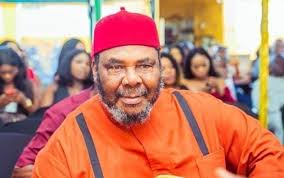
Early Life and Education
Pete Edochie was born on March 7, 1947, in Enugu, the capital of Enugu State, into a family that valued education and culture. His father, a civil servant, ensured that young Pete received a solid educational foundation. He attended St. Patrick's College in Calabar before proceeding to the University of Ibadan, where he studied English and Drama.
Growing up in Enugu during the post-independence era, Edochie was exposed to a vibrant cultural scene. The city was a melting pot of Igbo traditions and modern influences, shaping his understanding of the cultural dynamics he would later portray on screen. His deep, resonant voice — which would become his trademark — was honed through years of participation in school plays and public speaking competitions.
Before venturing into acting, Edochie worked extensively in broadcasting. He joined the Nigerian Broadcasting Corporation (NBC) in Enugu, where his rich baritone voice quickly made him a popular radio presenter. His broadcasting career spanned over two decades, during which he served as Director of Programmes for the Anambra State Broadcasting Service.
Acting Career and Rise to Stardom
Pete Edochie's acting breakthrough came in 1986 when he was cast as Okonkwo in the Nigerian Television Authority (NTA) adaptation of Chinua Achebe's Things Fall Apart. His portrayal of the tragic hero was nothing short of masterful. Edochie embodied Okonkwo's pride, strength, and internal turmoil with such authenticity that the role became forever associated with him.
The series was broadcast across Nigeria and received critical acclaim. Edochie's performance earned him recognition as one of Africa's finest actors. His ability to convey profound emotion through subtle facial expressions and his commanding vocal delivery set a new standard for African television drama.
With the rise of Nollywood in the 1990s and 2000s, Edochie transitioned to film and became one of the industry's most sought-after actors. He appeared in hundreds of films, often portraying traditional rulers, wise elders, and authority figures. His films include Igodo, The Lion of Africa, and countless others that showcased his versatility as an actor.
Cultural Influence and Traditional Leadership Image
Pete Edochie's on-screen persona has had a profound impact on how African traditional leadership is portrayed in popular culture. His portrayal of chiefs and kings is characterized by dignity, wisdom, and authority. He brought a gravitas to these roles that commanded respect and helped preserve the image of traditional African leadership in the modern imagination.
Beyond his acting, Edochie is recognized as a cultural ambassador for the Igbo people. He speaks fluent Igbo and English and often incorporates Igbo proverbs and wisdom into his roles. His work has helped introduce global audiences to Igbo culture and values.
In 2003, Edochie was conferred with the chieftaincy title of Ochiagha Uli by the traditional ruler of Uli, his ancestral hometown in Anambra State. The title, meaning "Leader of Warriors," reflects his status as a cultural icon and his contributions to Igbo heritage.
Mentorship and Legacy
Throughout his career, Pete Edochie has been a mentor to countless young actors in Nollywood. He has consistently advocated for professionalism, discipline, and cultural authenticity in the Nigerian film industry. His son, Yul Edochie, followed in his footsteps and became a successful actor, carrying forward the family legacy.
Edochie's influence extends beyond entertainment. He has been a vocal advocate for the preservation of Igbo language and culture, using his platform to promote traditional values in a rapidly modernizing world. His interviews and public appearances often feature reflections on Igbo philosophy, family values, and the importance of cultural identity.
Now in his seventies, Pete Edochie remains active in the film industry and continues to be a source of inspiration for actors across Africa. His journey from a radio broadcaster in Enugu to one of the most recognized faces in African cinema is a testament to his talent, dedication, and cultural significance. He stands as a living legend of Nollywood and an enduring pride of Enugu State.